Best Luxury Suites for Honeymoons: Definitive Travel Guide
The architecture of romantic travel and high-end wedding celebrations has undergone a fundamental transformation over the past decade. Consequently, discerning couples no longer rely on conventional resort packages or standard luxury room upgrades when planning their post-wedding journeys. Instead, modern romantic travel curation demands a rigorous examination of architectural privacy, bespoke experiential programming, and deep environmental integration that honors the significance of the occasion.
Evaluating top-tier romantic accommodations requires looking past promotional imagery and marketing superlatives. Furthermore, evaluators must analyze structural spatial design, acoustic isolation, and service-to-guest ratios. The sheer variance in geographical settings—ranging from secluded overwater pavilions in the South Pacific to historic palazzo suites in Western Europe—means that two properties with identical nightly tariffs can offer radically divergent functional realities. Ultimately, couples and luxury travel advisors must weigh structural trade-offs, local supply chain limitations, and micro-climate conditions to secure accommodations that deliver genuine restorative value.
Navigating this specialized segment of the luxury travel market requires a systematic methodology to identify the best luxury suites for honeymoons across diverse cultural and structural landscapes. Whether assessing a cliffside biophilic villa in Central America or a private alpine chalet in Switzerland, understanding the interplay between physical architecture and hyper-personalized service delivery remains essential. Furthermore, this guide provides a comprehensive, objective examination of the operational frameworks, financial models, and logistical intricacies required to evaluate top-tier romantic lodging assets with absolute clarity and editorial precision.
Understanding “best luxury suites for honeymoons”
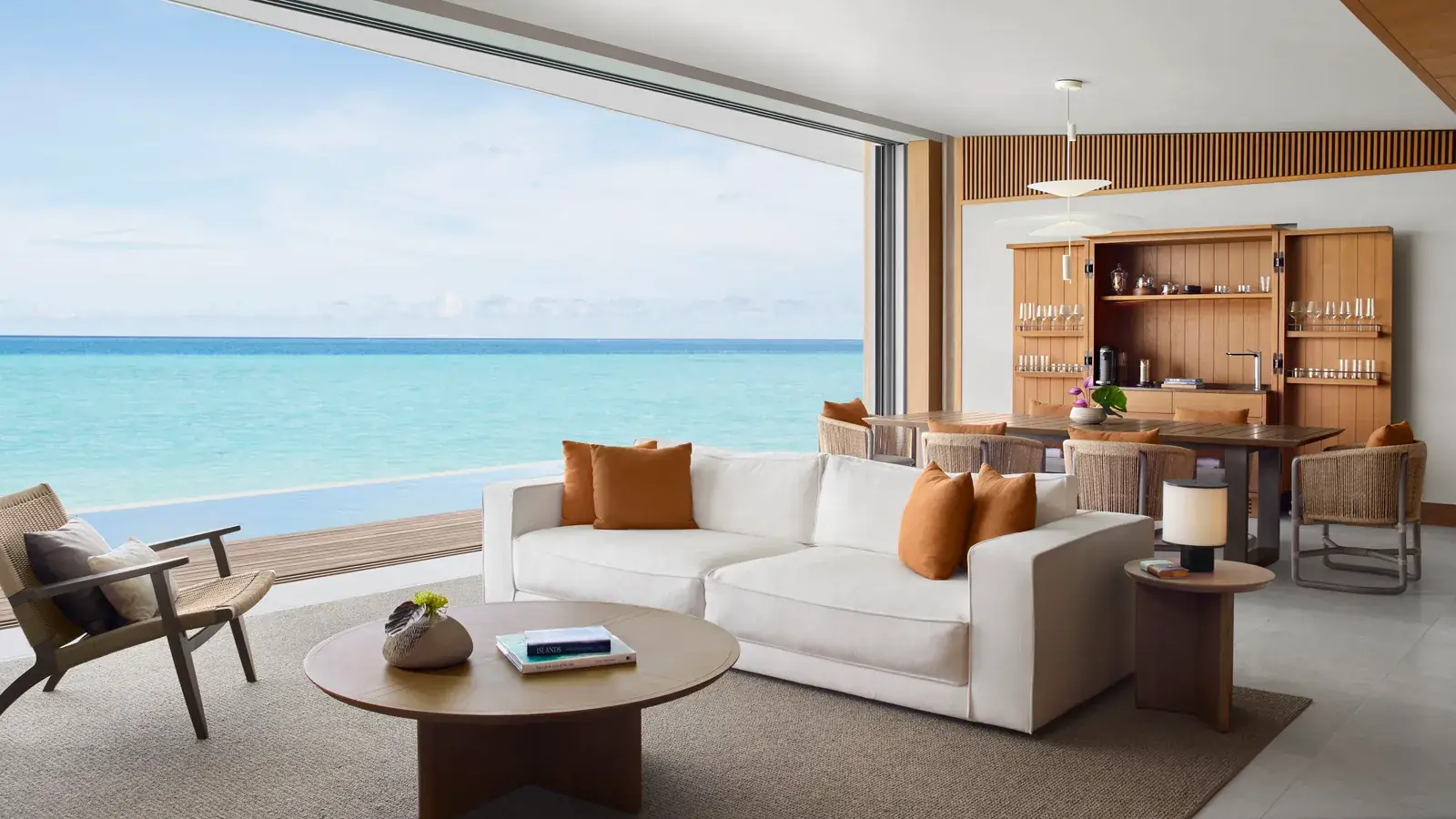
The phrase best luxury suites for honeymoons is frequently co-opted by commercial lifestyle aggregators. Therefore, these platforms treat romantic accommodations as interchangeable inventories based entirely on superficial aesthetic tropes like heart-shaped tubs or complimentary champagne. In professional travel curation, high-net-worth asset brokerage, and luxury hospitality consulting, however, evaluating how to select the best luxury suites for honeymoons demands a rigorous examination of architectural sightline privacy, independent acoustic dampening, and dedicated butler circulation pathways. A common oversimplification treats these properties as static romantic hideaways. Consequently, observers often ignore how structural engineering, independent climate control zones, and secure private entrance foyers fundamentally dictate the success of an intimate stay.
Analyzing these intricate hospitality environments requires understanding the systemic tension between open-plan romantic aesthetics and stringent privacy or environmental regulations. For instance, an analyst attempting to evaluate a glass-walled tropical pavilion alongside a historic European castle suite will find that traditional square footage metrics fail to capture functional values. Specifically, these metrics miss protected outdoor plunge pools, specialized acoustic plaster, and dedicated service pantries. Analysts who rely on promotional photography and surface-level brochures frequently miss these critical operational disparities. Therefore, mastering the complexities of the best luxury suites for honeymoons involves examining how architects, property managers, and dedicated service teams collaborate. Ultimately, this collaboration delivers uncompromised functional flow, absolute discretion, and long-term asset resilience across vastly different built environments.
Deep Contextual Background
The historical evolution of romantic travel accommodations traces its roots to the grand European honeymoon traditions of the nineteenth century. During this era, aristocratic couples embarked on extended continental tours staying in private urban palazzos and grand railway hotels. Consequently, romantic travel was defined by formal enfilades, heavy masonry walls, and strict spatial segregation between the traveling couple and service attendants. These early spaces relied on manual protocols, analog communication systems, and rigid social hierarchies to manage privacy and security.
Throughout the mid-to-late twentieth century, the rise of commercial aviation, modern resort development, and globalized luxury tourism fundamentally transformed hospitality architecture. Accommodations evolved from compartmentalized boarding rooms into expansive, integrated villa complexes emphasizing panoramic views, indoor-outdoor living spaces, and advanced environmental controls. Today, examining the landscape requires navigating a mature, highly specialized global industry where key count scarcity, biophilic design integration, and hyper-personalized guest profiling define the absolute standard of romantic excellence.
Conceptual Frameworks and Mental Models
Analyzing the structural viability, spatial efficiency, and experiential quality of elite romantic accommodations relies on several structured mental models:
-
The Sightline Privacy and Architectural Seclusion Index: Measures the physical distance and visual shielding between adjacent villas or public walkways to ensure absolute intimacy.
-
The Acoustic Isolation and Resonance Matrix: Evaluates sound transmission class ratings across interior partitions and outdoor lounging decks to prevent environmental noise intrusion.
-
The Biomorphic Circadian Comfort Model: Assesses how natural lighting integration, operable louvers, and multi-zone HVAC responsiveness impact occupant rest and recovery.
-
The Vertical and Horizontal Service Gradient: Quantifies the spatial proximity between discrete staging pantries and primary dining areas to optimize rapid, invisible culinary service delivery.
Key Categories or Variations
| Honeymoon Suite Category | Primary Architectural Focus | Core Operational Trade-Off |
| Overwater Marine Pavilions | Maldives, Bora Bora, and Fiji | Total oceanic immersion and direct water access balanced against marine weather vulnerability |
| Cliffside Biophilic Villas | Amalfi Coast, Big Sur, and St. Lucia | Unmatched panoramic sea vistas offset by steep vertical transit and micro-climate wind exposure |
| Historic Palazzo Enfilades | Florence, Venice, and Vienna | Rich cultural provenance and grand scale offset by rigid historic preservation constraints |
| Remote Alpine Ski Chalets | Zermatt, Aspen, and Niseko | Slope-side exclusivity and heavy timber framing paired with extreme winter weather logistics |
| Agriluxury Wine Estates | Tuscany, Napa Valley, and Mendoza | Immersive culinary-agricultural connection offset by rural supply chain limitations |
| Tented Wilderness Sanctuaries | Serengeti, Patagonia, and Queenstown | Deep wilderness connection and environmental harmony paired with autonomous utility limits |
When applying decision logic to these variations, asset selectors and luxury travel curators must align accommodation features with the explicit seasonal and psychological intent of the journey. Overwater marine pavilions suit couples prioritizing oceanic isolation and marine sports, yet they require careful consideration of tropical storm seasons. Conversely, historic palazzo suites and agriluxury wine estates attract travelers seeking cultural depth, culinary immersion, and protection from erratic coastal weather.
Detailed Real-World Scenarios
Evaluating an Overwater Pavilion Stay in the Maldives
A newly married couple evaluates options between an isolated overwater villa and a beachside garden pavilion for a two-week tropical honeymoon during the transition monsoon season.
-
Constraint: The couple requires absolute privacy from neighboring watercraft while desiring uninterrupted sunset vistas over the horizon.
-
Failure Mode: Standard resort master plans position water villas too close to main boat transit lanes, introducing engine noise and violating visual privacy.
-
Decision Point: Select an end-of-pontoon villa orientation featuring curved architectural privacy fins, an independent plunge pool, and a private submerged coral reef viewing deck.
Assessing a Historic Palazzo Suite Stay in Florence
A couple plans a culturally focused autumn honeymoon inside a restored Renaissance palace suite in central Italy.
-
Constraint: The historic structure lacks modern central air conditioning integration, posing thermal comfort challenges during lingering warm autumn afternoons.
-
Failure Mode: Portable cooling units create unacceptable acoustic vibration, ruining the tranquil historic ambiance of hand-painted fresco ceilings.
-
Decision Point: Verify the integration of concealed radiant cooling systems behind historic plaster and specialized acoustic double-glazing on all tall arched windows.
Planning, Cost, and Resource Dynamics
Executing the selection, customization, and operational servicing of elite honeymoon accommodations involves substantial financial commitments and intricate logistical supply chains. The economic model requires balancing high upfront nightly tariffs or long-term booking commitments against the intangible value of absolute privacy, romance, and flawless execution.
| Economic Variable | Financial Variability | Strategic Impact on Asset Selection |
| Base Suite Tariff or Seasonal Premium | Extremely High Fixed Cost | Secures exclusive spatial inventory, priority access, and dedicated butler allocation |
| Bespoke In-Suite Romantic Dining and Sommelier Add-ons | Variable Gastronomic Outlay | Elevates dining personalization and accommodates complex dietary or celebratory protocols |
| Specialized Airport Fast-Track and Transfer Logistics | Moderate Fixed Outlay | Guarantees seamless transition from international aviation hubs to remote resort properties |
| Wellness and Spa Treatment Integration | Premium Capital Expenditure | Incorporates in-suite couples massage spaces, hydrotherapy, and circadian recovery tools |
Tools, Strategies, and Support Systems
-
Encrypted Honeymoon Preference and Profile Management Software: Secure cloud platforms recording nuanced historical guest data to drive hyper-personalized room configurations.
-
Acoustic Diagnostic and Sound Level Mapping Tools: Hardware used by property managers to verify sound transmission class integrity prior to VIP arrivals.
-
Automated Smart-Building Environmental Dashboards: Centralized touchpanels controlling multi-zone lighting, motorized solar shading, and circadian HVAC curves.
-
Discrete Butler Communication and Service Routing Applications: Internal software tracking private dining response times, service intervals, and customized itinerary milestones.
-
Real-Time Weather and Micro-Climate Intelligence Feeds: Software monitoring regional storm tracks, wind shear, and tidal variations affecting remote properties.
Risk Landscape and Failure Modes
The primary operational hazard inherent in managing elite honeymoon accommodations involves privacy breaches and unexpected environmental disruptions. When high-profile or privacy-conscious couples occupy prominent suites, the visibility of their presence can attract unauthorized media attention or digital tracking if resort security perimeters are lax.
Another compounding risk relates to seasonal weather vulnerability in remote geographic settings. Luxury overwater villas, cliffside pavilions, and wilderness tents rely heavily on stable environmental conditions. If severe tropical cyclones, unseasonal heavy snowfall, or geotechnical shifts occur, the resulting infrastructure strain or evacuation logistics can severely disrupt the honeymoon experience.
Governance, Maintenance, and Long-Term Adaptation
Sustaining the immaculate operational readiness of premier romantic accommodations requires a disciplined administrative cadence. Property engineering syndicates must institute rigorous weekly preventive maintenance cycles, inspecting motorized window systems, smart-room servers, and custom millwork finishes. If diagnostic sensors indicate mechanical wear or software latency, engineering teams must intervene during unoccupied turnover windows.
Furthermore, asset governance must adapt to evolving consumer expectations regarding sustainability, wellness technology, and cultural stewardship. This involves maintaining ongoing dialogues with architectural consultants, upgrading air purification systems to hospital-grade standards, and retraining service personnel in advanced discretion and emotional intelligence. Proactive governance safeguards long-term asset valuation and ensures enduring relevance in a rapidly shifting luxury market.
Measurement, Tracking, and Evaluation
-
Hyper-Personalization Execution Rate: Measures the frequency and accuracy with which pre-arrival preferences (such as pillow firmness, minibar curation, and lighting tones) are successfully deployed.
-
Acoustic Privacy and Decibel Attenuation Index: Evaluates sound transmission performance across interior suite partitions to ensure uninterrupted rest.
-
Circadian Lighting and Indoor Air Quality Metrics: Tracks sensor data confirming optimal oxygen exchange, particulate filtration, and light spectrum alignment.
-
Service Response and Task Completion Latency: Quantifies the duration between a guest request (via digital interface or butler) and physical fulfillment.
Common Misconceptions and Oversimplifications
-
Myth: Any suite labeled “Honeymoon Villa” automatically qualifies as an elite romantic accommodation. Reality: True tier-one romantic suites require dedicated structural privacy, independent HVAC zoning, and uncompromising service infrastructure that standard resort rooms lack.
-
Myth: High-end romance is limited to leaving a welcome bottle of sparkling wine and rose petals on the bed. Reality: Modern hyper-personalization involves complex data analytics covering past travel patterns, circadian preferences, dietary needs, and psychological comfort triggers.
-
Myth: Smart-room automation in luxury suites operates independently of human oversight. Reality: Advanced automation requires continuous calibration by specialized technicians to ensure intuitive operation for guests.
-
Myth: Sustainability initiatives compromise the tactile luxury and material opulence of high-end honeymoon suites. Reality: Contemporary regenerative luxury integrates upcycled organic materials, low-impact artisan craftsmanship, and clean energy without sacrificing comfort.
-
Myth: Historic honeymoon suites cannot incorporate modern medical-grade wellness technology without destroying their heritage character. Reality: Advanced concealing techniques allow engineers to integrate air purification and circadian lighting behind historic paneling.
-
Myth: Booking an elite coastal suite guarantees absolute immunity from exterior noise and environmental disruption. Reality: Coastal or overwater suites require sophisticated double-glazed acoustic engineering to counteract wave crash and high wind shear.
Ethical, Practical, or Contextual Considerations
The increasing demand for ultra-exclusive honeymoon accommodations intersects significantly with local community impact, resource consumption, and cultural preservation standards. As hospitality brands construct sprawling private villas and isolated eco-resorts, municipal bodies and local populations frequently scrutinize water usage, land development, and socioeconomic displacement. Progressive operators address these challenges by implementing circular waste systems, sourcing food entirely from hyper-local agrarian partners, and reinvesting revenues into regional cultural stewardship programs. Balancing elite exclusivity with environmental and social responsibility ensures long-term operational license and mutual community respect.
Conclusion
Mastering the complexities involved in understanding the architectural, operational, and experiential realities across different romantic properties requires an uncompromising analytical perspective. True authority in this domain involves looking past promotional marketing imagery to examine core circulation efficiency, biophilic wellness integration, and flawless service execution. By approaching elite honeymoon suite evaluation with professional rigor and intellectual honesty, couples and asset curators ensure that their investments in time and capital deliver restorative value and enduring excellence.